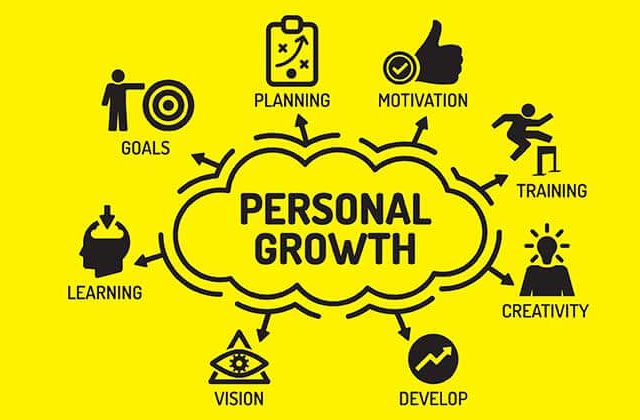
Personal growth and personality development are vital aspects of a fulfilling life. Many people desire to improve themselves but do not know where to start. In this article, we will share ten growth ideas for yourself that you can use for personal growth and development.
Set Goals: Setting goals gives one direction and motivation. Establish objectives that are specific and in line with your values and vision. Then, track your progress as you divide your goals into more manageable, shorter steps.
Learn Something New: Lifelong learning expands your knowledge and skills. Take courses, read books, attend seminars, or listen to podcasts. Develop a growth mindset that embraces change and challenges.
Practice Self-Care: Self-care is crucial for maintaining one’s physical, mental, and emotional well. By eating well, exercising, and getting enough sleep, you can take good care of your body. Self-compassion and mindfulness exercises can also help you control stress and unpleasant feelings.
Build Positive Relationships: Positive relationships provide support, encouragement, and feedback. Be with positive people who inspire and challenge you. Communicate effectively, listen actively, and show empathy and respect.
Embrace Failure: Failure is a natural part of growth and learning. Hug failure as a learning opportunity, and use it to improve your personality development. Reevaluate your goals and strategies, and persevere with resilience and optimism.
Cultivate Gratitude: Gratitude is a powerful positive emotion that enhances happiness and well-being. Focus on the good things, express appreciation to others, and keep a gratitude journal.
Give Back: Helping others is a meaningful way to contribute to society and develop a sense of purpose. Volunteer, donate, or mentor someone. Use your talents and skills to make a positive impact.
Take Risks: Taking calculated risks expands your comfort zone and potential. Challenge your fears and doubts, and pursue your dreams and passions. Be available to new opportunities and experiences.
Reflect and Evaluate: Reflecting and evaluating your actions and decisions helps you learn and grow. Set aside time to reflect on your experiences, beliefs, and values. Then, evaluate your progress and adjust your strategies accordingly.
Practice Self-Improvement Daily: Personal growth is a continuous journey, not a destination. Practice self-improvement daily by adopting good habits, eliminating bad habits, and seeking feedback. Maintain a growth mindset, and embrace challenges and opportunities.
Conclusion
These ten strategies can help you elevate your life and achieve personal growth and development. Pick the ones that resonate with you, and integrate them into your daily life. Personal growth is a lifelong journey, so be patient, persistent, and proactive in self-improvement.
Personality is a complex and fascinating subject, and many theories and models attempt to explain the different personality types. However, understanding personality types can be helpful in many areas of life, such as career planning, personal development, and relationships. In this blog post, we will explore the different types of personality development and discuss their characteristics, strengths, and weaknesses. Whether you are a student, a professional, or simply interested in human behavior, this post will provide valuable insights into the world of personality. So, let’s understand the fascinating world of personality types.
Different Types of Personality Development
One can strive for different types of personality development based on their goals and aspirations. However, the most common types of personality development are:
Self-Actualization: This type of personality development is focused on achieving one’s full potential and becoming the best version of oneself. It involves continuous self-improvement, high standards, and a growth mindset.
Social: Social personality development is about building healthy relationships, empathy, and good communication skills. In addition, it involves developing emotional intelligence, active listening, and conflict-resolution skills.
Intellectual: Intellectual personality development is focused on enhancing one’s knowledge and skills through learning. It involves setting educational goals, reading, attending seminars, and acquiring new skills.
Emotional: Emotional personality development is about managing emotions effectively, developing self-awareness, and building resilience. It involves practicing mindfulness, meditation, and stress management techniques.
Creative: Creative personality development is focused on exploring one’s creativity and using it to express oneself. It involves engaging in artistic pursuits such as writing, painting, music, and other forms of creative expression.
Final Words
Personality development is essential to personal growth and self development goals. Individuals can set goals and work towards becoming their best version by identifying the type of personality development they want to achieve. It is a continuous process that needs commitment, perseverance, and a positive mindset.
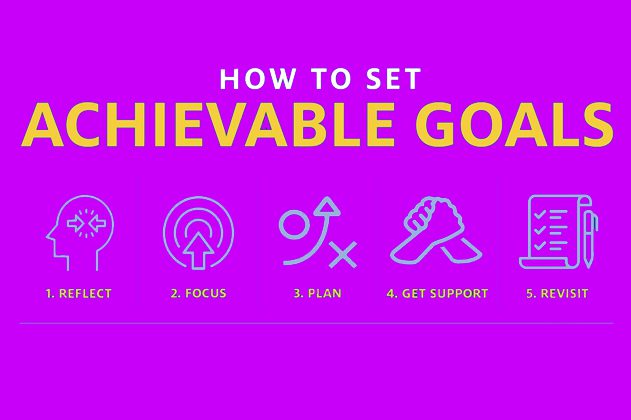
In today’s constantly evolving work environment, prioritizing personal development is more important than ever. Investing in yourself enhances your skills and knowledge and helps you stay competitive and relevant. However, setting effective personal development goals can be a daunting task. In this blog post, we’ll explore the steps you can take to set achievable and meaningful personal development goals for work. From recognizing your strengths and weaknesses to creating a clear action plan, we’ll provide practical advice and insights you can practice immediately. So, let’s get started on your personal development journey!
Why are Personal Development Goals Important?
Personal development goals are important because they help you focus on your strengths and weaknesses, identify areas for improvement, and set a path for your professional growth. By setting personal development goals, you can become more self-aware, take control of your career, and become more effective at work. Personal growth goals also show your employer that you are committed to your job and willing to improve yourself.
Step-by-Step Guide to Personal Development Goals for the Workplace
“Introduction to Personal Development Goals in the Workplace”
Define personal development goals and their importance in career growth.
Discuss how setting these goals can improve work performance and job satisfaction.
“Identifying Areas for Improvement”
Discuss the importance of self-reflection and assessment in setting personal development goals.
Provide tips for identifying specific areas for improvement, such as skills, knowledge, or work habits.
“Setting SMART Goals”
Define SMART goals and how they can help in achieving personality development
Provide examples of specific, measurable, achievable, relevant, and time-bound goals for the workplace.
“Creating an Action Plan”
Discuss the importance of creating an action plan to achieve personal development goals.
Provide a step-by-step guide to creating an action plan, including setting deadlines and identifying resources.
“Tracking Progress”
Discuss the importance of tracking progress toward personal development goals.
Provide tips for monitoring progress and making adjustments as needed.
“Overcoming Obstacles”
Discuss common obstacles to achieving personal development goals in the workplace.
Provide strategies for overcoming these obstacles, such as time management and seeking support from colleagues or mentors.
“Staying Motivated”
Discuss the importance of staying motivated when working towards personal development goals.
Provide tips for staying motivated, such as celebrating small successes and visualizing the end goal.
“Collaborating with Others”
Discuss how collaboration with colleagues or mentors can help achieve personal development goals.
Provide tips for finding and working with a supportive network.
“Making Personal Development a Habit”
Discuss the importance of making personal development skills a habit in the workplace.
Provide tips for incorporating personal development activities into daily work routines.
“Celebrating Success”
Discuss the importance of celebrating success when achieving personal development goals.
Provide ideas for celebrating, such as sharing achievements with colleagues or treating oneself to a small reward.
In Conclusion
Setting personal development goals for work is crucial to achieving professional growth and success. By pursuing the steps outlined in this article, you can effectively identify your strengths, weaknesses, and areas for improvement and create a plan of action to achieve your goals. Set real and measurable goals, track your progress, and celebrate your successes. You can take your career to the next level with a clear vision and commitment to personal development. Best of luck in your journey towards achieving your professional goals.
A fulfilling existence requires personal development and growth. You can take steps to develop into your best self by creating objectives for yourself and trying to achieve them. Here are ten proven strategies to help you with your personal growth and development.
Set Goals
The first step towards personal growth and development are goals to set for yourself. Make a list of your life goals and put them in writing. Ensure your objectives are precise, quantifiable, pertinent, reachable, and time-limited.
Create a Plan
Make a plan of action once your goals have been established. Establish a timeline for each step you must take to accomplish your goals.
Focus on Your Strengths
Find your strengths and focus on developing them. This will help you build confidence and improve your performance in areas where you excel.
Learn from Your Mistakes
Everyone is fallible, and mistakes are common. Learn from your errors and make use of the chance to advance yourself.
Take Risks
Be prepared to venture outside of your comfort zone and take chances. You can improve and progress by trying new things and facing new problems.
Build Positive Relationships
Be in the company of upbeat, encouraging people who promote your personal development. Create relationships with people that motivate you to be your best self.
Embrace Change
Life is full of change; it is inevitable. Accept it and seize the chance to advance yourself.
Practice Self-Care
Be careful about your physical, mental, and emotional needs. Make time for stress-relieving and relaxation-promoting activities.
Continuously Learn and Grow
Never stop growing or learning. Look for fresh chances to advance personally and professionally.
Celebrate Your Successes
Finally, celebrate your successes along the way. Celebrating your accomplishments can motivate you to continue working towards your personal goals in life.
Final Words
Personal growth and development are important for a fulfilling life. By setting goals for yourself, creating a plan, focusing on your strengths, learning from your mistakes, taking risks, building positive relationships, embracing change, practicing self-care, continuously learning and growing, and celebrating your successes, you can progress toward becoming the best version of yourself.
Leadership is a skill that requires constant honing and development. One of the most important skills in being an effective leader is self-awareness. Understanding your strengths, weaknesses, and blind spots is crucial in developing a leadership style that inspires and motivates your team. In this blog, we will explore seven strategies that will help you boost your leadership through self awareness skills. These seven strategies will help you to become a more effective and self-aware leader.
Practice mindfulness.
It is a technique that can help individuals develop intentional self awareness skills. It needs to pay attention to the present moment without judgment. Practicing mindfulness allows individuals to become more aware of their emotions, thoughts, and behaviors, allowing them to recognize patterns and make better decisions.
Collect feedback.
Collecting feedback from colleagues, mentors, and employees can provide valuable insights into an individual’s leadership style. In addition, by seeking feedback from others, individuals can learn more about their strengths and areas for improvement.
Reflect on past experiences.
Reflecting on past experiences can provide insights into how an individual has acted in different situations. By understanding how they responded in the past, they can identify patterns and make changes to improve their leadership skills.
Keep a journal.
Journaling is a good way to develop self-awareness. By writing down one’s thoughts and emotions, individuals can understand their reactions to situations and identify patterns over time.
Seek out coaching and mentorship.
Working with a coach or mentor can give individuals a different perspective on their leadership skills. In addition, coaches and mentors can help individuals identify areas for improvement and provide guidance on developing their self-awareness skills. With continuous self growth, individuals can become better leaders and positively impact their organizations and communities.
Practice active listening.
Active listening needs paying attention to what someone is saying and responding in a way that shows understanding. By practicing active listening, individuals can better understand their colleague’s and employees’ perspectives, which can help them make better decisions.
Embrace failure.
No one is perfect. Embracing failure and learning from mistakes can be a powerful way to develop self-awareness skills. By reflecting on past failures, individuals can identify areas for improvement and develop strategies to overcome similar challenges in the future.
In Conclusion
Developing self-awareness skills is critical to becoming a successful leader. By practicing mindfulness, collecting feedback, reflecting on past experiences, keeping a journal, seeking coaching and mentorship, practicing active listening, and embracing failure, individuals can develop their self-awareness skills and become more effective leaders. Self awareness examples include recognizing when one is too stressed, taking a step back to assess the situation, and communicating with empathy.
As professionals, we often focus on developing our hard skills and technical abilities to excel in our careers. However, it is essential not to overlook the importance of soft skills in achieving career growth. Developing soft skills and personality traits is essential for career growth. Soft skills are personal and interpersonal attributes that enable us to work effectively with others. In this post, we will explore seven essential soft skills that are starting, read on to discover how honing your soft skills can lead to a career that can help you thrive in your career. So whether you are seasoned professional or successful.
Communication Skills: Communication effectively is essential in any workplace. Strong communication skills help you convey ideas, build relationships with colleagues and clients, and resolve conflicts. To improve your communication skills, practice active listening, speak clearly and concisely, and ask for feedback.
Emotional Intelligence: Emotional intelligence is the skill to recognize and manage your emotions, as well as the emotions of others. High emotional intelligence means handling stressful situations, regulating emotions, and empathizing.
Adaptability: The ability to adapt to changes is crucial in today’s ever-changing business environment. It is adaptable means being open to new ideas and embracing change. It also means learning new skills and adjusting to different work environments.
Time Management: Time management is essential for achieving career growth. Knowing how to prioritize tasks, manage deadlines, and stay organized can help you be productive and efficient.
Problem-Solving Skills: Employers value individuals who can find solutions to problems. Developing problem-solving skills means analyzing situations, identifying potential solutions, and choosing the best action.
Leadership Skills: Leadership skills are essential for career growth. Leadership means motivating and inspiring others, delegating tasks, and making decisions. Leadership skills can help you grow in your career and take on more responsibilities.
Teamwork: Working effectively in a team is highly valued today. Collaborating, communicating, and contributing to a team effort can help you achieve career growth.
You can take personality development courses to develop these soft skills and improve your overall personality. These courses can help you improve your communication, emotional intelligence, time management, problem-solving, leadership, and teamwork skills. Investing in your personal and professional growth, you can succeed in your career and stand out in the competitive job market.
Conclusion
Employers are looking for employees with a combination of technical and soft skills. Improving your communication skills, emotional intelligence, adaptability, time management, problem-solving skills, leadership skills, and teamwork can help you succeed in your career. Take personality development courses to enhance your soft skills and become a well-rounded professional.
Rejection is an inevitable part of life, whether being turned down for a job, a promotion, or a romantic relationship. It can be a painful experience that leaves us feeling inadequate and discouraged. However, mentally strong people know how to handle rejection without damaging their self-esteem or holding them back from achieving their goals. So, for your self awareness, we’ll explore five ways mentally strong people handle rejection and how you can adopt these strategies in your own life.
Accepting It:
Mentally strong people accept rejection as a part of life rather than fighting it. They understand that everyone faces rejection at some point and that it’s a natural part of the process.
Moving On:
Mentally strong people move on quickly instead of dwelling on rejection. They don’t let it affect them for long.
Re-Focusing On Goals:
They re-focus on their goals and use rejection as motivation to work harder and better.
Learning From Mistakes:
They use rejection as a learning opportunity and try to identify the mistakes that led to it. They then work to avoid making those mistakes again.
Staying Positive:
Mentally strong people maintain a positive attitude, even in the face of failure. Doing so helps them self recognition to overcome the negative emotions that come with rejection.
Keeping a Growth Mindset:
They cultivate a growth mindset, believing they can improve and improve with time and effort.
Practicing Self-Compassion:
Mentally strong people are kind to themselves and don’t beat themselves up over rejection. Instead, they practice self-compassion and acknowledge that everyone makes mistakes.
Seeking Feedback:
They actively seek it out and don’t shy away from feedback. They understand that constructive criticism can be valuable in helping them improve.
Cultivating Resilience:
Mentally strong people cultivate resilience, which helps them bounce back from rejection quickly. They know that setbacks are temporary and that things can improve with time.
Maintaining Balance:
They maintain balance in their lives, pursuing various interests and hobbies outside work. This helps them maintain perspective and ensures rejection doesn’t define their lives.
In Conclusion
Rejection is a part of life but does not have to define us. Mentally strong people know how to handle rejection healthily and productively. They do not let rejection defeat them. Instead, they use it as an opportunity to learn and grow. They take responsibility for their actions, stay positive, and keep moving forward. By implementing these five strategies, we can all become mentally stronger and more resilient in the face of rejection. So, the next time you face rejection, remember to stay strong and use it as a stepping stone toward success.
Self-development means enhancing one’s abilities, knowledge, skills, and personality traits through deliberate and continuous effort. It involves setting personal goals, learning new things, acquiring new skills, and improving one’s behavior or thought patterns. Self-development is an ongoing journey of self-discovery, self-awareness, and self-improvement to achieve personal growth, increase self-esteem, and improve overall well-being. It can include meditation, journaling, coaching, therapy, and attending workshops or courses.
Communication:
Communicating effectively is essential in all areas of life, including personal relationships and professional settings. Learning to listen actively, speak clearly and confidently, and express yourself well is crucial for success.
Time Management:
Managing your time efficiently is crucial for productivity and success. Knowing how to prioritize tasks, set realistic goals, and avoid procrastination is vital for self-improvement.
Emotional Intelligence:
High emotional intelligence means self-awareness, regulating your emotions, and understanding and empathizing with others. Improving your emotional intelligence can help you navigate relationships and conflict more effectively.
Critical Thinking:
Thinking critically and evaluating information is essential for making informed decisions and solving problems. Improving your critical thinking skills will help you make better decisions and avoid common cognitive biases.
Adaptability:
Being adaptable means being able to handle changes and challenges with ease. Improving your adaptability will make you more resilient and better equipped to handle new situations.
Creativity:
Developing your creativity means coming up with new ideas and innovative solutions. Improving your imagination can help you excel in personal and professional settings.
Leadership:
Developing leadership skills means motivating, inspiring, and guiding others toward a common goal. Improving your leadership skills can help you advance in your career and positively impact your community.
Financial Management:
Managing your finances well is essential for achieving your financial goals and avoiding debt. In addition, improving your financial management skills will allow you to make more informed financial decisions and personal growth.
Health and Wellness:
Caring for your body and mind is essential for a fulfilling life. Improving your health and wellness skills means developing healthy habits, managing stress and anxiety, and prioritizing self-care.
In Conclusion
Self-development is an ongoing journey that requires patience and dedication. The nine skills discussed in this article are essential for anyone looking to improve their life. Each skill, from emotional intelligence to time management, is vital in personal growth and development. You can unlock your full potential and achieve your goals by consciously improving in these areas. Remember, self-development is not a destination but a continuous process of learning and growth. Start taking steps towards improving your life today and see the positive impact it can have on your future.
Introversion and extroversion represent the two opposite ends of the social interaction spectrum in the complex realm of human psychology. Introverts frequently favor solitude and quiet meditation, unlike extroverts who thrive in complicated situations and actively seek out social interaction. Understanding these many personality features helps encourage empathy and self-acceptance by enabling us to recognize each person’s distinctive qualities. The following six personality traits, which are frequently present in those who like to be alone, are examined in the article:
High Sensitivity
High sensitivity, often referred to as sensory processing sensitivity, is a personality attribute that is characterised by a great awareness of one’s environment and a powerful emotional response to stimuli. HSPs usually have a keen awareness of their surroundings and notice details that others might pass by.
HSPs may experience stress or anxiety because chaotic or loud situations are overwhelming. As a result, individuals frequently look for solitude to absorb their experiences in a more tranquil environment. However, HSPs can better control their emotions and maintain equilibrium by taking time for themselves.
Self-Sufficiency
The personality trait of self-sufficiency is defined as a strong sense of independence and reliance on one’s abilities. People with this trait typically love alone since it removes extraneous distractions and lets them focus on their goals and ambitions.
Self-sufficient individuals are frequently resourceful, self-assured, and capable of meeting obstacles independently. In addition, these people can learn new skills and explore their hobbies quickly in solitude. As a result, independent people frequently flourish in settings that allow them to exert personal freedom and control.
Creativity
It’s commonly known that creativity and seclusion go hand in hand. Spending time alone can generate an atmosphere that is conducive to original thought. Virginia Woolf and Albert Einstein, two well-known artists, both believed that seclusion was crucial to their creative processes.
People may fully explore their thoughts and ideas without interruptions or other influences. Due to their freedom, they can fully explore their imaginations and produce ground-breaking ideas and artistic masterpieces. Creative people can develop their skills and significantly contribute to society by embracing alone time.
Introspection
Introspection is the process of examining one’s ideas, emotions, and intentions. Introspection can lead to personal growth, enhanced self-awareness, and a clearer understanding of one’s fundamental aspirations. Introspection is widely viewed as a technique for self-reflection and self-improvement by people who like solitude.
People can think about their life, deliberate about choices, and consider solutions to issues when alone. This process of reflection can promote personal growth and improve judgment. People who love isolation can develop a strong sense of self and handle life’s obstacles more successfully by setting aside time for introspection.
Appreciation For Deep Connections
Even though those who prefer solitude may not actively seek out huge social groups, they frequently yearn for deep connections. These people value meaningful relationships with others and place more value on the quality of their relationships than the quantity.
People can evaluate their connections and prioritize those that are important while they are alone. By developing real connections, they can build a network of allies that offers comprehension, empathy, and encouragement. These people can maintain satisfying relationships while respecting their need for solitude by balancing alone time and social interactions.
Final Words
In conclusion, introversion, high sensitivity, self-sufficiency, creativity, introspection, and an appreciation for deep relationships are the five personality qualities frequently observed in persons who prefer their alone time. Promoting empathy and acceptance for ourselves and others who may have social preferences that are different from our own might help with these attributes by understanding and appreciating them.
Do you ever feel that your relationships are only going on the surface? The human desire for acceptance and belonging is satisfied by opening up for stronger emotional interactions. But moving past those shallow conversations about work or the weather can be complicated. So here are five science-backed techniques to make more excellent connections in your social meetings.
5 Effective Ways to Connect With Anyone, Anytime
Although you can’t force a sense of connection, there are many things you can do to better the way for more fruitful interactions. Try these five suggestions for strengthening your social connections to create richer, more meaningful, and more emotionally secure relationships.
Be genuine.
If a relationship is genuine or one that you genuinely care about, only those relationships will work. If you don’t have a real interest in the individual you’re attempting to connect with, stop trying.
Provide massive help.
Even the biggest and most influential people in the world occasionally need assistance. Because they are afraid they won’t be able to offer anything, too many people never reach out to those in positions of authority. However, you have more to offer than you would think. Write an article or blog post about them, tell your network about their project, and offer to help them spread the word by conducting a video interview. Think carefully about who you could introduce to further their objectives. Even if you can’t be helpful, the gesture will be noticed.
Connect with people close to them.
Making relationships is similar to finding a job, typically through networking and referrals. A mutual friend’s introduction to someone you want to meet gives you instant credibility. Next, increase your interactions with the friends and coworkers in your present network to see where it takes you.
Make real friends.
Consider how you came to have the friends you do. This is all it is. Only those you want in your life can become friends. Bigger-name connections should adhere to the same standard. Do not overthink it. No matter who you are, most people will cheerfully return the favor if you are human and helpful.
Remain unforgettable.
All the strategies mentioned above are easy to employ but must be utilized more. Send birthday greetings. Send your preferred book with a handwritten note from you inside the flap. Be supportive. You’d be shocked at how rarely even the simplest tasks get completed. Being memorable is easier than you might believe.
Final Words
The key theme throughout is helping others. Everything else would take care of itself if you spent all of your waking time trying to help everyone you came into contact with, from the person who makes your coffee to the most influential person in your field. Then, everyone will be on your side.
We use cookies to ensure that we give you the best experience on our website. If you continue to use this site we will assume that you are happy with it.